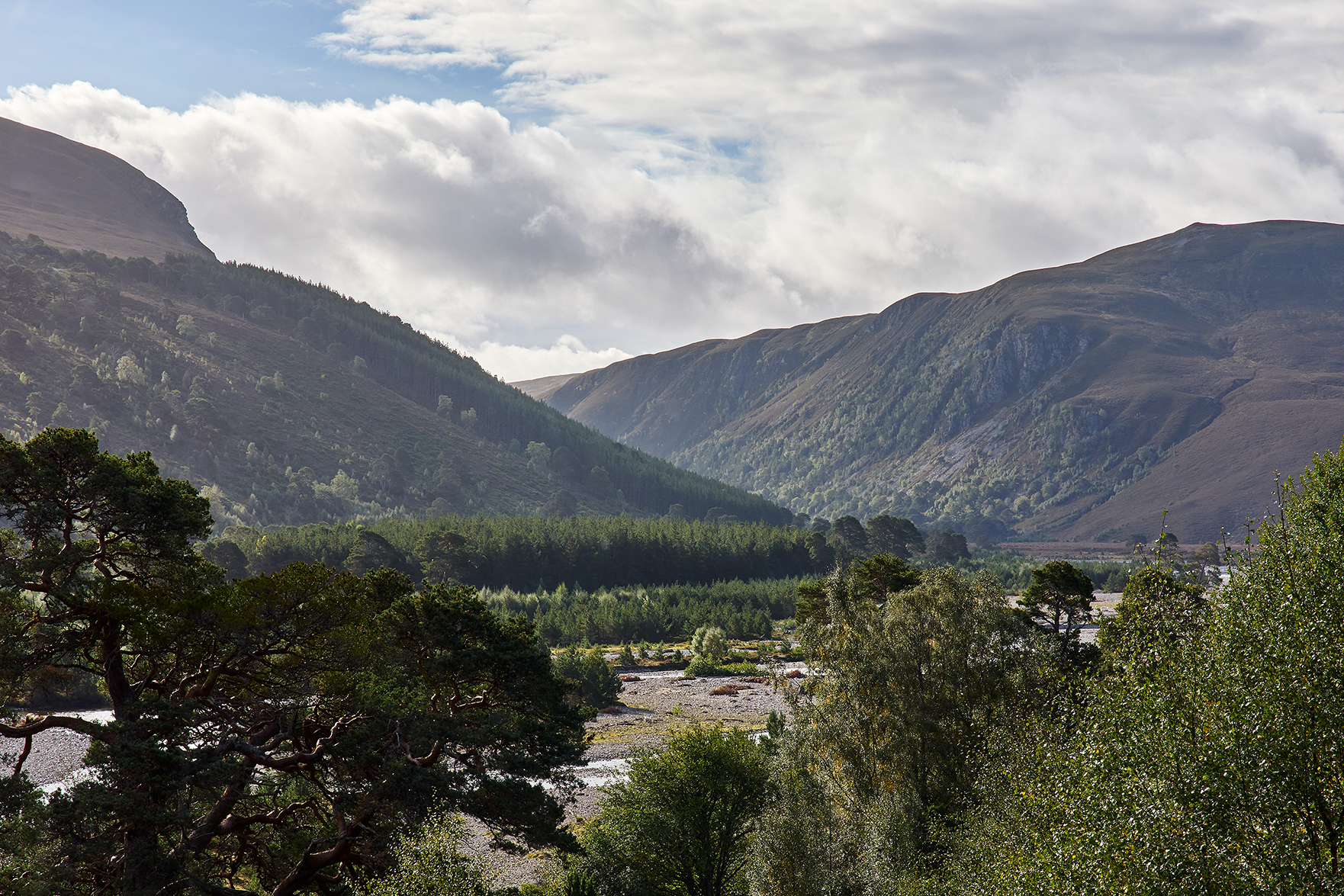
A Highland family gathering through the wilds of Scotland.
Bringing family generations together is no mean feat in today’s busy world of crammed diaries and workload juggles. The rewards are well worth it in the Scottish Highlands where space and time expand in fresh air, endless horizons and shifting priorities.
A family itinerary with WildLand isn’t a dash from one place to the next. It’s about taking time to tune into the landscapes, watching nature’s recovery in real-time while you explore the wilderness.
This journey unfurls across Glenfeshie and Sutherland where woodlands are flourishing, rivers run clean and wildlife can be spotted on the hillsides. Suddenly, screens are forgotten and families are captivated by the drama of nature and the simple act of being together.
Families in nature: the ultimate way to bond
Being outside together in nature has a magical power to change the dynamic of a family gathering. Children are free to roam independently through restored woodland and open glens, while adults can tap into a slower rhythm, set to the beauty of the Scottish Highlands. Days become less structured and more about shared moments.
Start the adventure in Glenfeshie
In Glenfeshie, once heavily managed ground is now regenerating. WildLand’s regeneration and conservation work means native trees are returning and habitats are reconnecting.
Here is where your journey begins, among the trees and quiet nooks of Glenfeshie, where you can breathe deeply and leave the rush of the outside world behind.
Day one
Arrive and step straight into the wild landscapes. A guided walk through regenerating woodland introduces the wonder of the glen with little details such as saplings taking root, captivating little minds.
Later, settle into shared spaces and enjoy a seasonal dinner prepared by your chef, with plenty of time to relax in each other’s company.
Day two
Wake to views of the forest, river and open ground. For the brave, a morning wild swim in the clear river is a refreshing start as well as a spotlight on a landscape recovering its balance.
A pony picnic carries you across wide ground through new-growth woodland. A visit to nearby Ruthven Barracks is an evocative sight and adds a cultural layer to the day. The evening is unprogrammed, shaped by family whim rather than a formal agenda.
Day three
After breakfast, explore further afield in a 4×4, gaining a sense of adventure and scale across the Cairngorms. At the Highland Folk Museum, explore layers of history and how land use has changed over time highlighting the vital work of WildLand.
Come evening, the drawing room fills with board games and conversation, sharing stories from a day in the wild.
Day four
A hearty breakfast and provisions for the road mark the beginning of the journey north.
Journeying north to Sutherland
The drive from Glenfeshie to Sutherland takes around three to four hours, where forested glens give way to broader skies and open moorland. Stops along the way allow for a leg stretch or a photo opportunity. The landscape gradually shifts in character, becoming wilder and more expansive.
Arriving on the north coast brings a whole new sense of space.
Day five
After a long journey to Kinloch Lodge, the welcome is warm and genuine. Its proximity to the beach means kids can let off steam on the wild shores collecting shells and relishing in the fresh sea air.
Day six
A fresh breakfast, full of delicious seasonal produce, sets the tone for the day with a laid-back morning. The sauna yurt and cold plunge await for bracing rejuvenation, while long walks on the beach may reveal the sight of marine life including dolphins, seals or whales at sea.
Evenings gather quietly around the fire as the chef prepares dinner. A relaxed ambience means children drift in and out while adults can linger over a drink.
Day seven
A morning yoga session or gentle walk starts the day in appreciation of the surroundings. A final lunch together marks the close of a wonderful week in the wild.
A journey shaped around your family
Every family break in the Highlands can be sculpted around your family’s needs, the variable Scottish weather and personal preference. Nothing is fixed too tightly. The WildLand team handle arrangements discreetly, from local guidance to transport planning, ensuring ease throughout.
If you are considering bringing your family together for a journey through the Scottish Highlands, our team would be delighted to guide you.
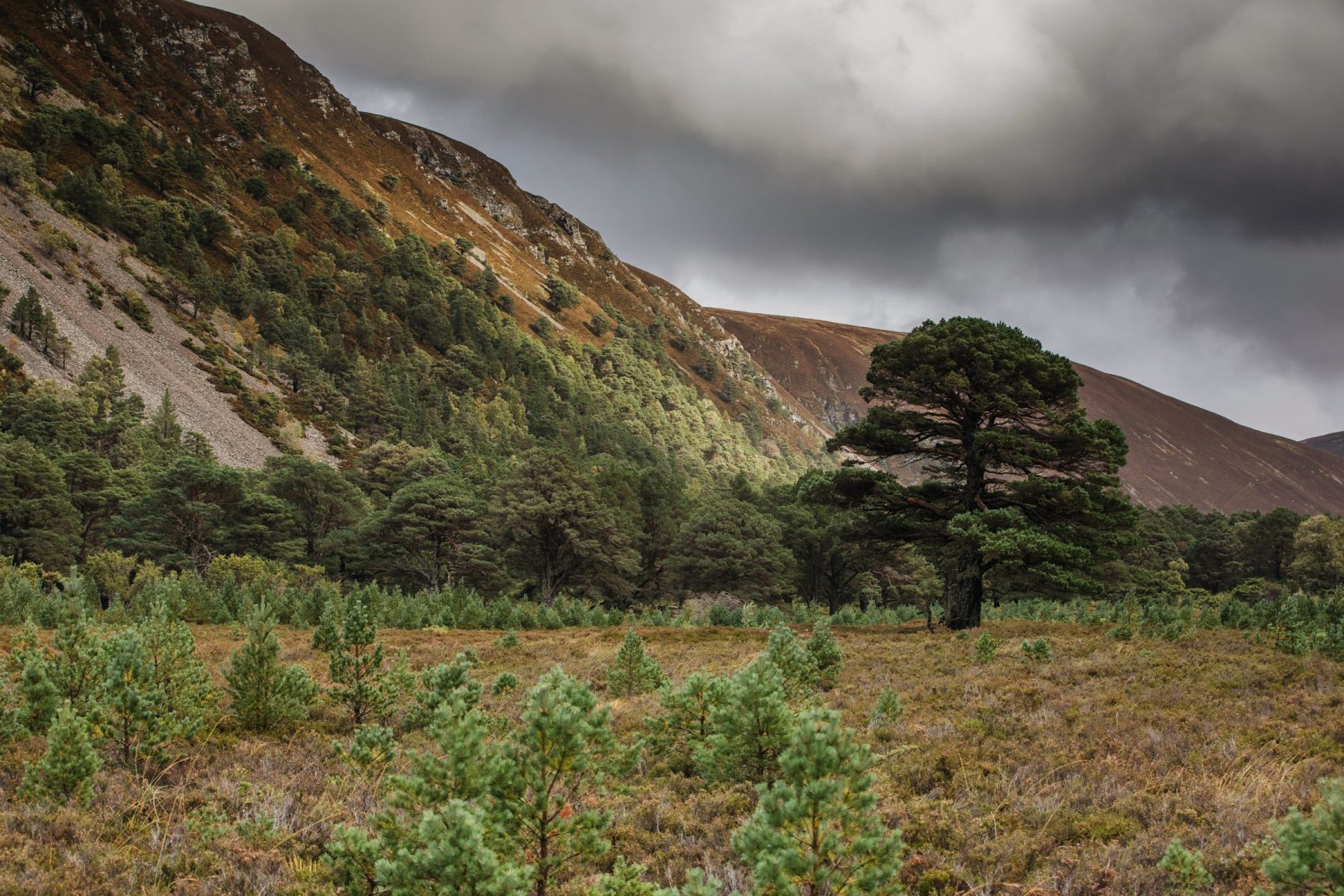
Explore regeneration first-hand at WildLand
Regeneration at WildLand is not something that exists behind the scenes. It is woven into the fabric of being here from staying in beautifully restored homes to spending time in the wild landscapes.
Our guests are not passive observers. They become part of the story: witnesses to nature’s recovery, reshaped by our careful stewardship.
Regeneration you can see, hear and feel
Spending time at WildLand is a chance to slow down and connect with the changing sights and sounds of wild nature all around. Regeneration reveals itself gradually, through chirruping birdsong, new green growth and the feel of peaty bogs underfoot.
Being at WildLand presents a different kind of travel where regeneration is naturally part of every stay. By staying present and moving at a gentle pace, you can take note of the beauty of landscapes as they recover.
Walking in restored wilderness
Hiking in Sutherland, Loch Ness or the Cairngorms, including climbs such as Ben Hope, offers a powerful sense of scale and perspective. Wide horizons, quiet glens and open skies create space to think and breathe deeply.
These walks are shaped by restored habitats and careful land management. The emotional impact comes not from drama, but from a stillness and space to simply be, appreciating the importance and beauty of regenerated land. Time spent here often shifts how people see both the land and themselves within it.
Learning from the land
Experiences such as foraging and forest bathing encourage a wonderful connection with the restorative power of nature. Guided by ecologists and foraging specialists, guests learn to identify plants, fungi and woodland: details that might otherwise be overlooked, showing how nature and humans can live harmoniously.
The learning that takes place deep in nature’s dense woodlands and rolling glens is all about developing a healthy respect for nature and the circularity of ecosystems. This knowledge helps deepen connection while experiencing the pureness of WildLand’s unforgettable landscapes.
Wellbeing shaped by place
Wellbeing at WildLand is wholly inseparable from its surroundings. Sauna sessions, wild swimming and time outdoors awaken the senses – a restoration that could be seen as a reflection of nature’s own rebound.
Heat, cold, movement and rest follow natural rhythms and allow us to tap into an elemental experience. The landscapes ask you to slow down, listen and recover at your own pace.
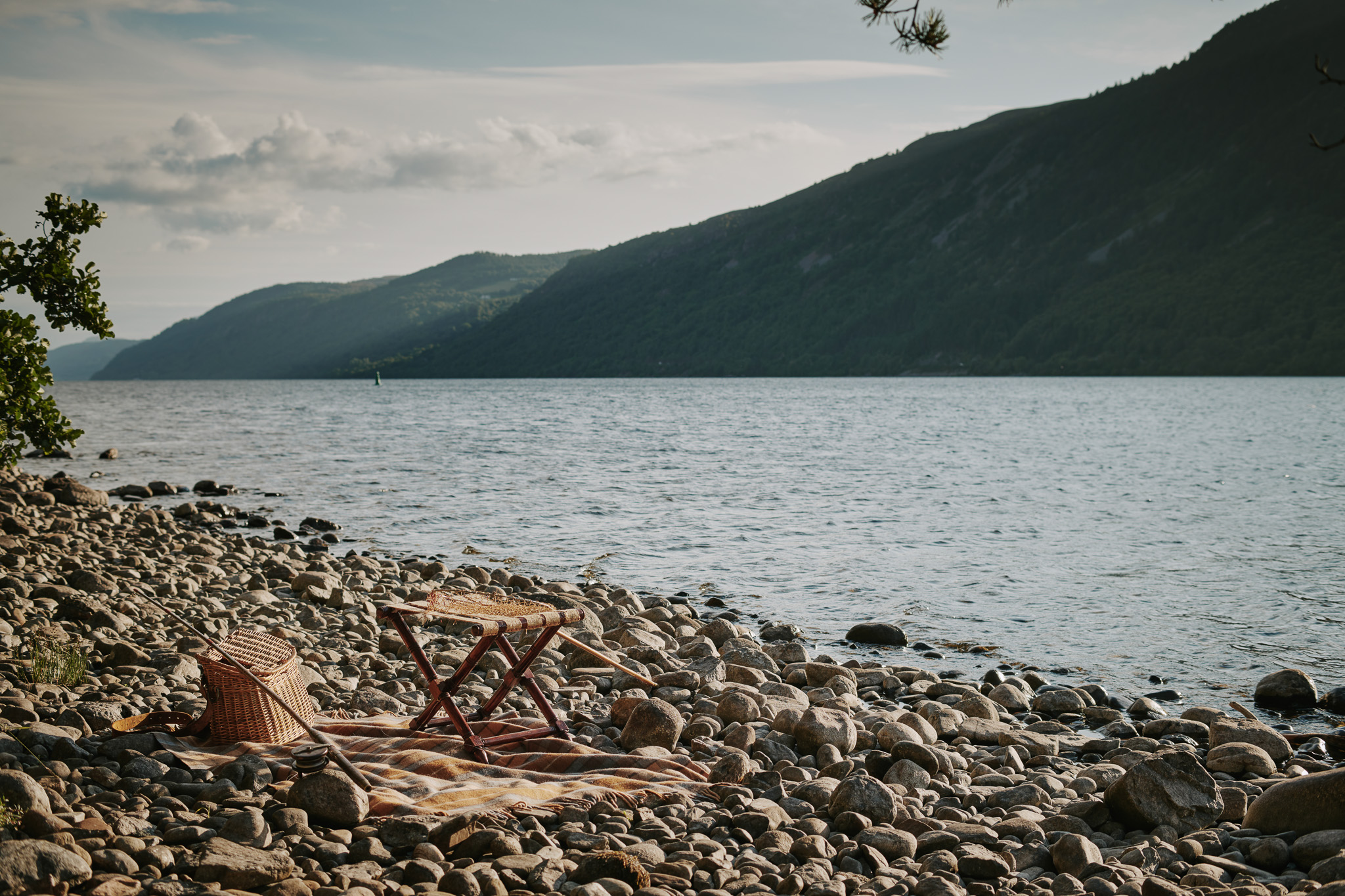
A journey through the land
Moving between the Cairngorms, Sutherland and the north coast reveals regeneration in different forms. Each place responds uniquely to season, weather and time.
Returning at different points in the year offers new perspectives. Autumn colours, winter light and spring growth each tell a different part of the story where shifting landscapes restore through sun, cloud, rain or snow.
A living landscape
Every stay at WildLand supports ongoing restoration. More than that, it offers the chance to experience landscapes mid-recovery, shaped by care and showing a continuation of our efforts.
These places are still rebounding. Spending time here is a chance to be part of that process and in turn, part of the story of WildLand.
Explore WildLand’s places to stay and experiences, and discover regeneration as it unfolds.
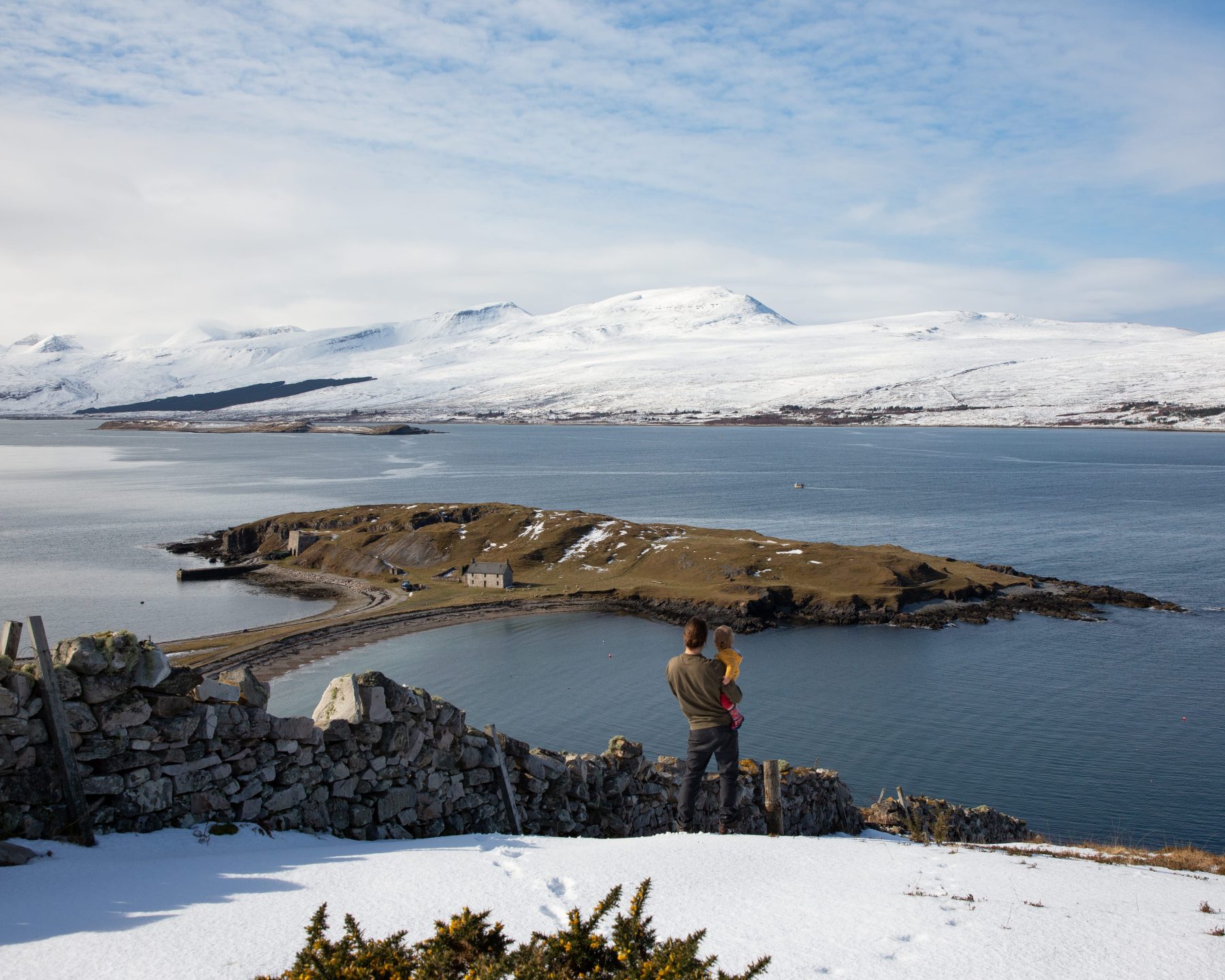
Thriving biodiversity unfurls across WildLand’s estates
Across the Highlands, WildLand works with nature over the long term, creating conditions in which landscapes can recover, reconnect and thrive, exactly how nature intended.
This is careful, patient work that looks at every tiny detail alongside the big picture. Guided by science, shaped by collaboration and rooted in responsibility, regeneration at WildLand is as much about restraint as it is about action.
Repairing landscapes with care
WildLand is a long-term custodian of land, buildings and habitats across the Highlands. Our approach to regeneration is quiet and considered, focused on working with natural processes rather than against them, giving nature every opportunity to thrive.
Conservation here is not framed as a spectacle or something we feel the need to show off about. It is our responsibility to the land, and comes with time, attention and humility. By allowing nature the space and support to recover, we aim to protect it not just for today, but for generations to come.
From rivers to moorland
How do we help nature? In northern Sutherland, we care for the Hope and Polla rivers. Through sweep netting surveys carried out with local fisheries trusts, we monitor sea trout populations, gathering data on their health, movement and growth.
This work is gentle and precise. Fish are handled briefly and returned unharmed, allowing us to build an understanding of river systems without disrupting them. Rivers reflect wider landscape health, soil condition, vegetation and land use upstream. We know that what happens on the river banks matters as much as what flows alongside them.
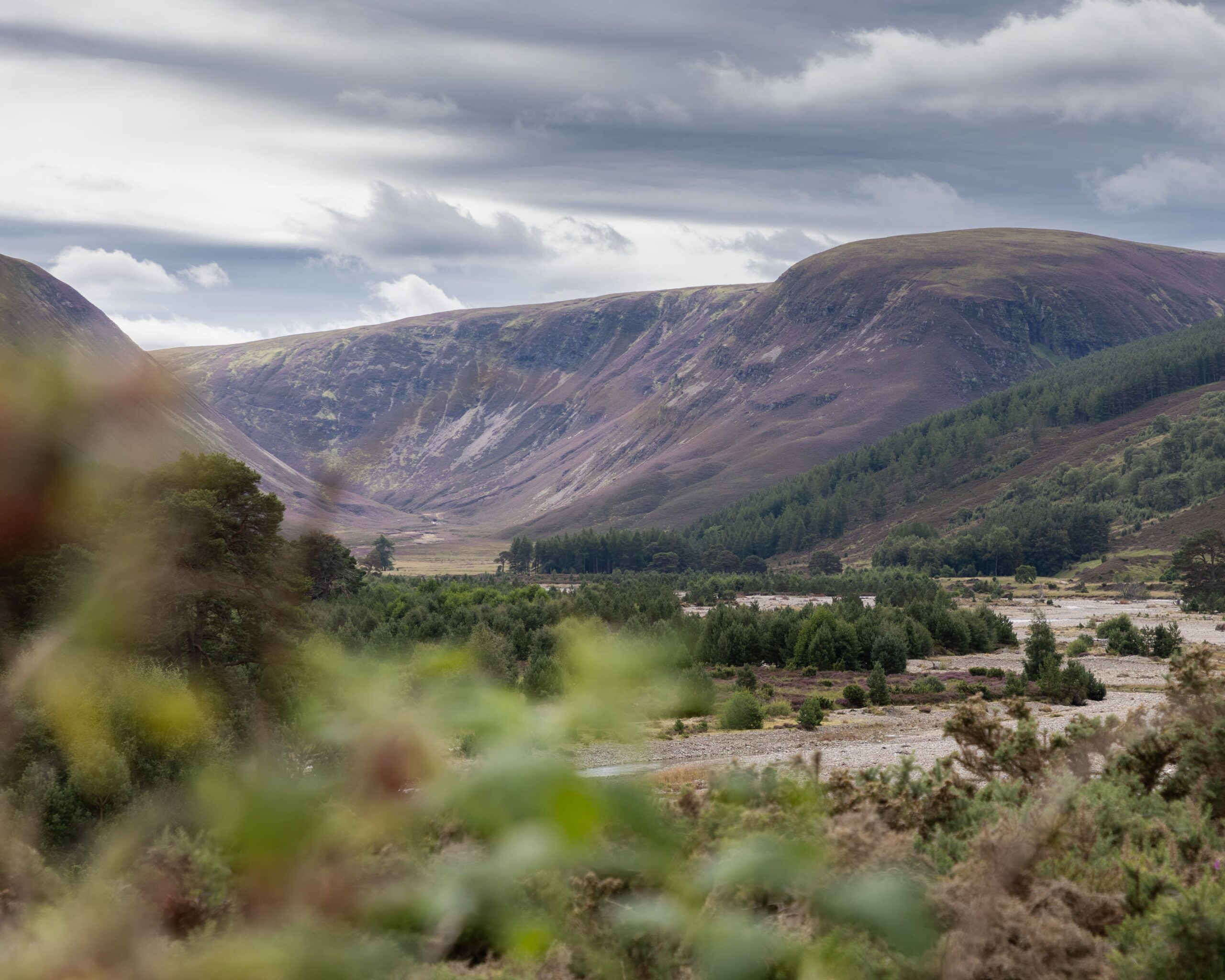
Restoring the land’s balance
Some landscapes need careful intervention to recover, such as native bracken, which can spread aggressively. Through techniques such as bracken rolling, hand cutting and targeted grazing, we help restore balance and make space for more diverse habitats to emerge. Here smaller creatures, birds and insects can live happily alongside the protection of bracken.
Highland cattle play an important role in this process. Using NoFence GPS collars, we can monitor grazing, protecting sensitive areas while encouraging variety elsewhere, all overseen by our land and conservation teams. These regenerated landscapes create a mosaic of habitats – spaces for a wide range of species to live and thrive.
Nature’s tiny moments
Some of the clearest signs of recovery are found in the smallest details. Bumblebees, other pollinators and native plants all respond quickly to improved habitat conditions.
Heather moorland, peat soils and lichens are hugely important. Lichens, in particular, thrive only where air quality is high, offering quiet proof of clean, healthy environments. These understated indicators tell an important story about ecological resilience and resurgence in our wild landscapes.
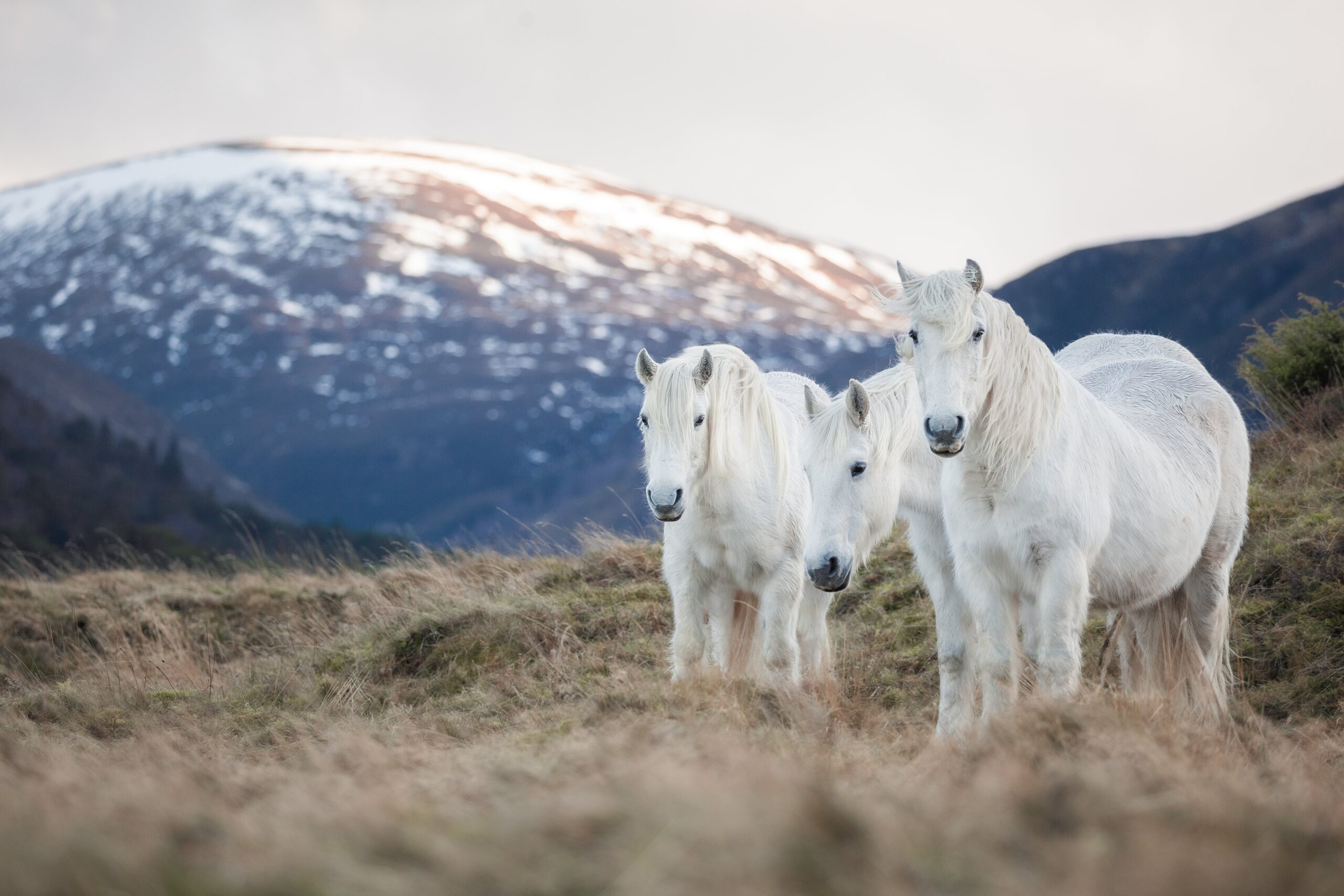
Reconnecting landscapes, returning wildlife
As habitats recover, wildlife returns. Red squirrels, birds of prey and other species are increasingly visible where woodland structure and food sources have improved and it is with great pride that we see these creatures with more frequency.
Although we must note that success in regeneration is measured over decades, not seasons. It is seen in continuity and we are just at the start of our regeneration journey.
Regenerations works with care
None of this work happens in isolation and we couldn’t do it alone. Scientists, conservation partners, neighbouring land managers and our own teams all contribute expertise and insight.
This beautiful collaboration allows us to learn, adapt and always act with care towards nature and the land. Our conservation vision is a shared responsibility and one that we’re proud to be a part of.
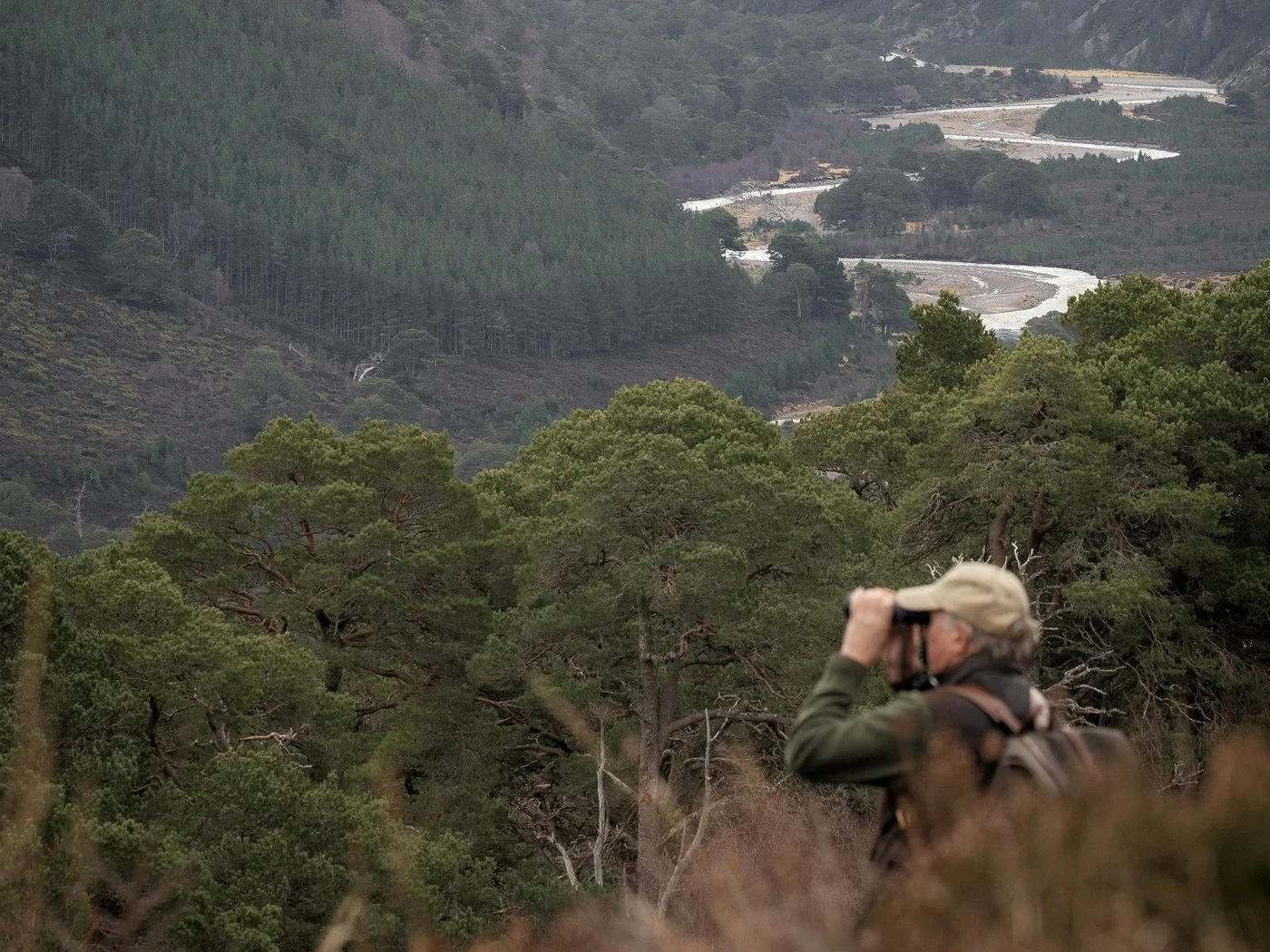
Earth Day 2025: Our Commitment to the Wild
Today is Earth Day—a timely reminder of our connection to the land. For our dedicated team of WildLanders across the Cairngorms, Loch Ness, and Sutherland, this commitment extends far beyond a single day. Their devotion to our 200-year vision of ecological restoration in the Scottish Highlands is woven into their daily lives, shaping not only their work but their way of living.
Every day, they care for the landscapes, restore historic buildings, and create unique experiences that offer guests meaningful opportunities to connect more deeply with the natural world. Their passion and perseverance are shaping a more vibrant, thriving future—honouring the spirit of Earth Day every day in the lands we are so fortunate to care for. We invite you to be part of this journey. Read on to explore some of our recent stories and initiatives from the wild.
WILDLAND CAIRNGORMS
WildLand began at the heart of the Cairngorms National Park, on the Glenfeshie Estate, where the transformation of the landscape is now unmistakable. Across our neighbouring estates of Killiehuntly and Gaick, the signs of rewilding are becoming ever more visible too, from regenerating forests to thriving wildlife.
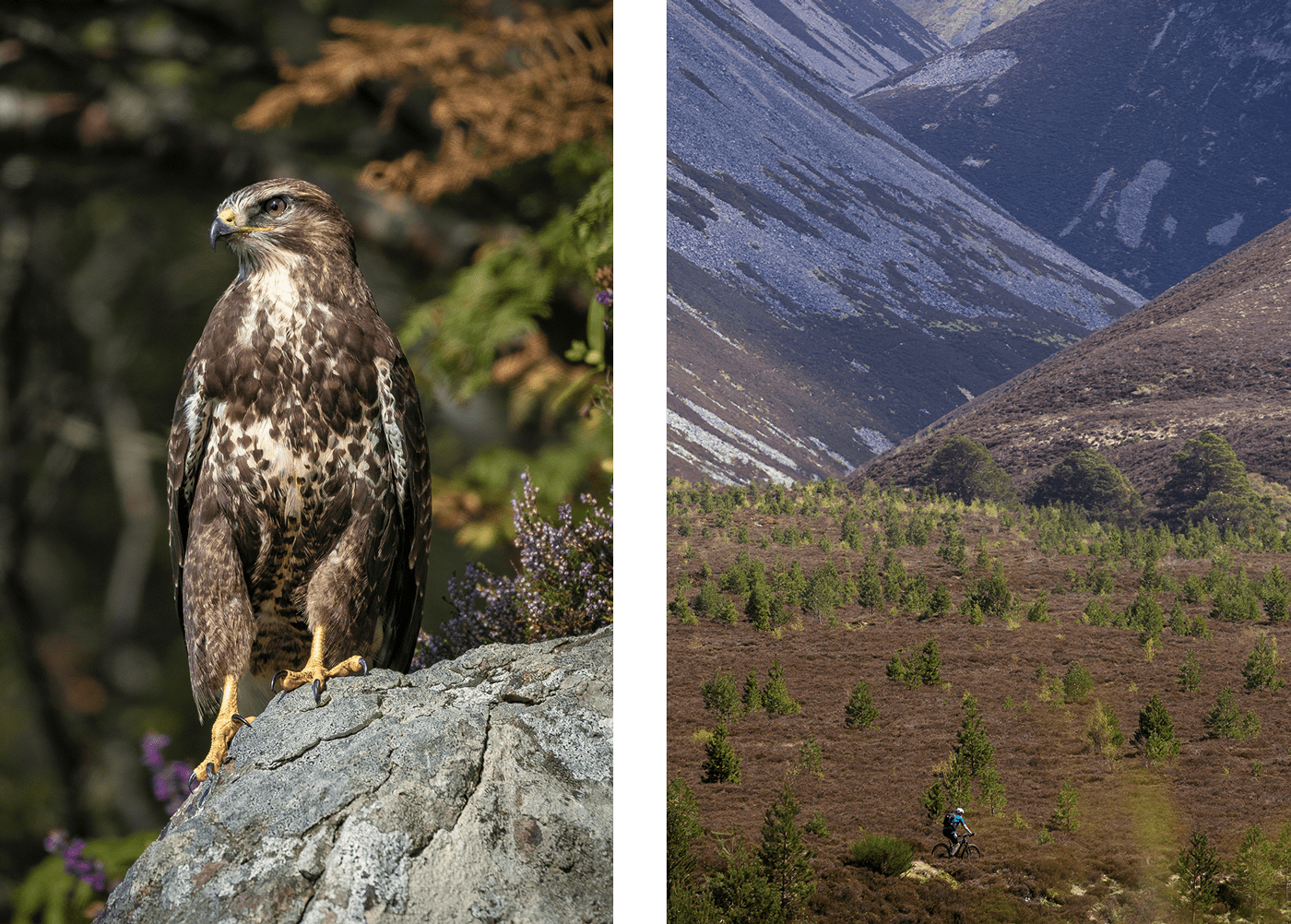
Linking Landscapes for Wildlife
In the Cairngorms, we are witnessing steady and meaningful progress in restoring a richly varied woodland landscape, where riparian glens meet montane slopes of pine and birch, and where natural regeneration is supported by carefully sequenced and ecologically sensitive planting. One notable milestone is the completion of the Linkwood project in Glenfeshie, named as such for its role in joining the Bhran and the Compartment. Here, half a million native trees have been hand-screefed into the soil, revitalising areas where seed sources were few or where prevailing winds have historically limited natural dispersal. This area covers 140ha of high-altitude planting.
The Linkwood was designed as a small-scale experiment in riparian planting ahead of the restoration of the upper Feshie, which will involve establishing around 100ha per annum over a ten-year period. This project aims to link Speyside to Deeside, providing a valuable habitat corridor between the two catchments. Over the next two years we will be carrying out montane bird, vegetation and archeological surveys and gathering data with the target of 2026-27 for establishment to commence.
WILDLAND LOCH NESS
Along the shores of Loch Ness, our journey began at the magnificent Aldourie Castle Estate. A few years on, the revitalisation of the land is becoming ever more apparent—from expansive grasslands and thriving gardens to the complete restoration of the large, energy-efficient castle and cottages into a eco-friendly retreat. At Clune Farm, we are beginning our journey towards regenerative farming, cultivating nature-friendly produce that will nourish the kitchens of WildLand, while continuing to enhance the landscape around us.
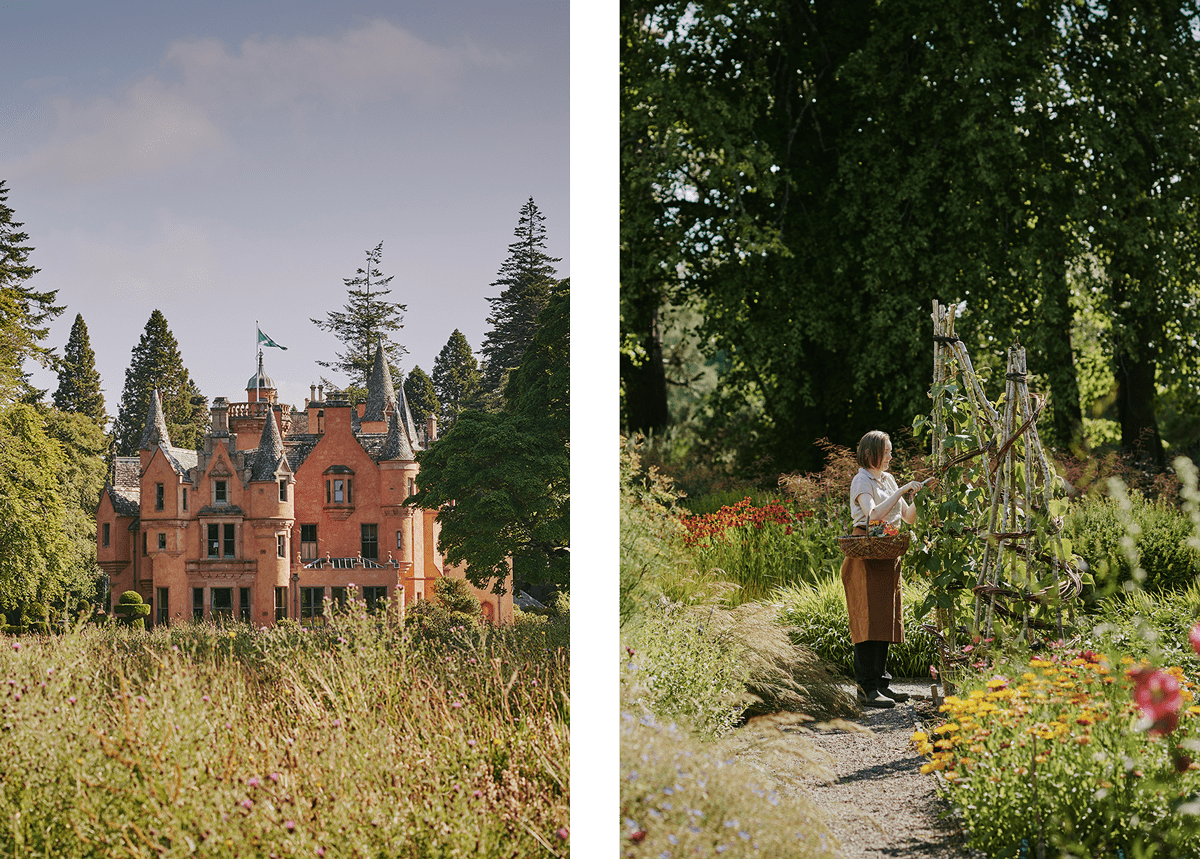
Planting for the Future
At Aldourie Castle Estate, we’re working to increase biodiversity across the gardens and grounds through a considered and sustainable approach to land management. Our herbaceous borders are designed to reflect natural grassland meadows, with a rich variety of native and non-native species that provide nectar and pollen from the first spring bulbs in February right through to late-flowering perennials. These borders are left standing until late winter, adding visual interest and structure while also offering valuable overwintering habitat for insects and small mammals.
Across the estate, areas of grassland have been sown with native hay meadow mixes, encouraging a diversity of grasses and wildflowers. These meadows are left undisturbed until they’re cut in late summer, giving wildlife the chance to benefit from the habitat and allowing wildflowers to set seed for the following year. In the arboretum and woodlands, we’re carefully managing the removal of invasive Rhododendron ponticum to let light back in and support natural regeneration. Alongside this, a significant number of native trees – including pine, oak, larch, birch and beech – have been planted to strengthen existing woodland and ensure its health and longevity for generations to come.
Sustainable by Design
At WildLand, all of our restoration projects prioritise conservation over new construction, always choosing to reuse buildings where possible. We favour traditional local materials to reduce carbon impact and aim to eliminate plastic use in our buildings. Every project is assessed for its full life-cycle carbon footprint—from construction through to energy use and end-of-life disposal.
Aldourie Castle and cottages are now heated sustainably through a Biomass District Heating system, replacing individual oil-fired boilers and reducing our reliance on fossil fuels to almost zero. Gate Cottage uses a Ground Source Heat Pump, and we are continuously exploring renewable energy solutions for the future. This shift to sustainable energy is part of our long-term commitment to decarbonising the estate.
WILDLAND SUTHERLAND
Across the vast landscape of north Sutherland, we are restoring peatlands, allowing our woodlands to naturally regenerate by reducing herbivore impacts, ensuring our aquatic habitats and species which live within them are thriving, fostering a harmonious relationship with the land. Our team here continue to work hard restoring forgotten buildings, including a special space at the heart of the community in Tongue—Burrs of Tongue—ensuring it remains a vital hub for the future.
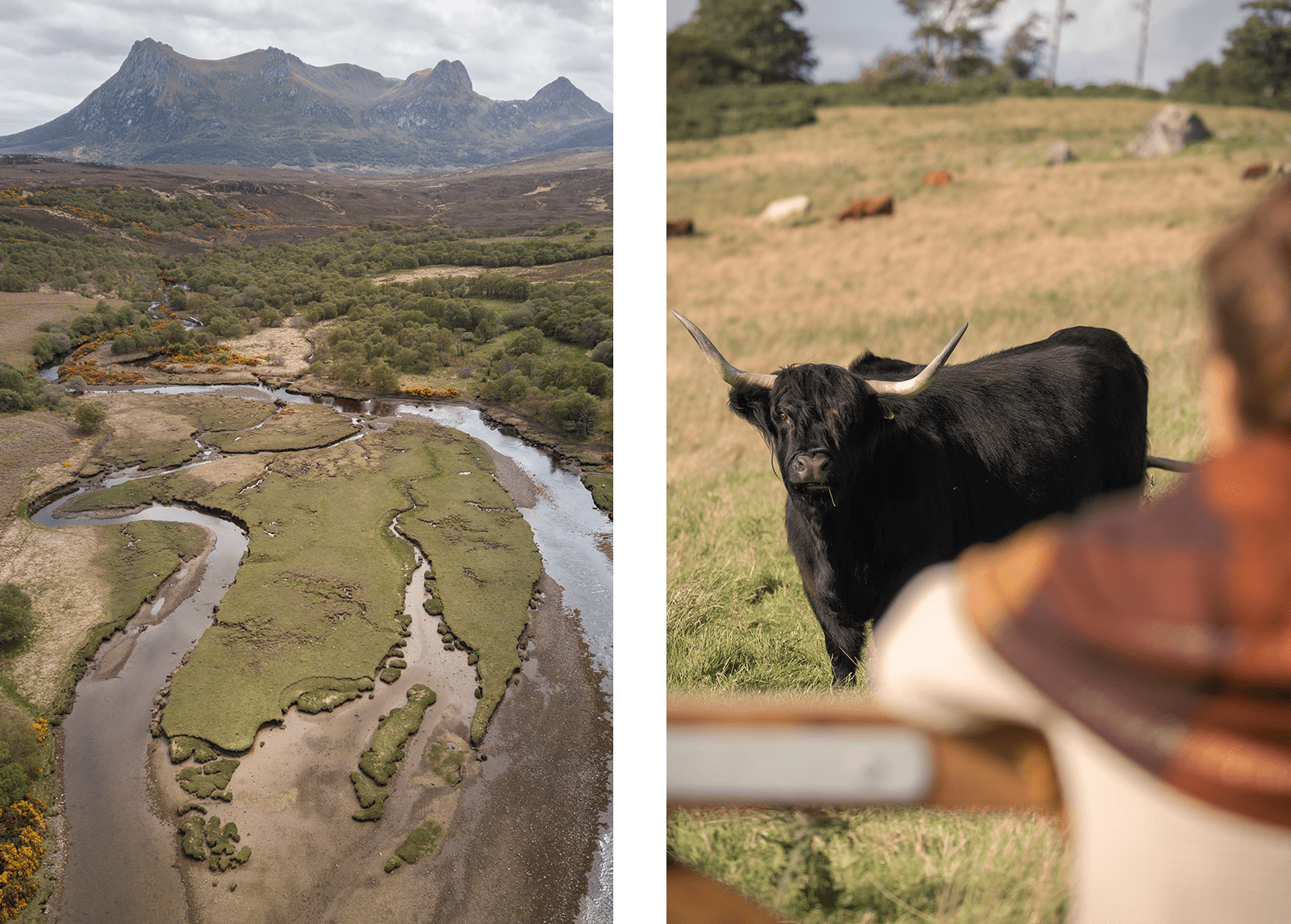
Allowing Farming & Nature to Co-exist
In North Sutherland, we’re proud to be the custodians of three ecologically rich and historically significant farms. Our mission is to honour their deep-rooted heritage while embracing a low-intensity, nature-led approach to farming. By prioritising biodiversity and habitat regeneration over output-driven practices, we aim to create a landscape where wildlife can flourish—producing sustainable byproducts like beef, lamb, and wool along the way. Over the past year, we’ve taken steps to enhance these habitats, including large-scale rush cutting to restore open grasslands for wading birds, the creation of wader scrapes for feeding and nesting, and selective gorse removal to support diverse flora and fauna. Our focus also extends to supporting rare species such as the great yellow bumblebee through pollinator-friendly habitats. Looking ahead, we’re excited to expand our efforts with projects like planting herbal leys and species-rich grasslands that nourish both livestock and wildlife, continuing our journey toward truly harmonious land stewardship.
Restoring the Heart of the Flow Country
We are making steady progress in protecting and restoring one of Scotland’s most ecologically important landscapes—the Flow Country—a vast expanse of fragile blanket bog and peatland recently inscribed as a UNESCO world natural heritage site. As part of our 2023–2025 restoration programme, supported by the Scottish Government’s PeatlandACTION Fund and delivered with NatureScot, Bidwells, and a local contractor, we’ve restored around 175 hectares by blocking 35 kilometres of drains and reprofiling 12 kilometres of old peat cuttings—early steps already helping to rewet the land and support biodiversity. Alongside this, we’re encouraging the natural regeneration of native broadleaf trees that have long clung to inaccessible slopes, protected only by their remoteness. With reduced grazing pressure from deer and the removal of sheep from the hills, these trees now have a chance to spread, gradually restoring woodland ecosystems. While this work takes time, peatland and woodland restoration are vital tools in addressing the climate and biodiversity crises, and we’re committed to doing our part.
These projects are just the beginning. Each small step brings us a little closer to a healthier planet. We’re grateful for your support—whether you choose to get involved, visit our landscapes, or simply follow our journey. We wish you all a wild and wonderful Earth Day.